How Delay Changes the Work Ahead
Cold-season freezes make indoor plumbing leaks a relevant concern in Spokane Valley; a home need not be beside open water for an indoor intrusion to occur. The broader service area includes Liberty Lake landmarks Pavillion Park and Orchard Park, as well as the Spokane River. These local references do not establish any home's flood exposure.
Homes near CenterPlace and Greenacres Park sit within a city with varied residential areas. On a visit, the property’s layout, entry access, and wet surfaces guide the removal plan; a nearby landmark helps locate the home but does not predict water intrusion.
A ZIP code can be a starting point for locating a home, but it may not settle whether extraction is available at that address in Spokane Valley and Spokane. The pros we connect you with can check the property’s street location directly.
Pumps and Vacuums Move Water
- FIRST REPORT
- The assessor asks when water appeared and whether a leak, appliance, or other source is known.
- SITE WALK
- Room connections and entry access help shape the area where removal can be performed.
- SAFETY
- Water depth and the surface holding it inform whether a pump or wet vacuum is suitable.
- METHOD
- The visit addresses pooled water in the agreed area; an active source may need separate repair.
- REMOVAL
- At a Spokane Valley home near Mirabeau Point Park, the pros we connect you with remove pooled water using equipment suited to its volume and surface.
- Claim Records
- Spokane Valley winters bring below-freezing conditions, so a water event may follow a frozen or thawing supply line. Tell the assessor if temperatures or a freeze preceded the water; that timing can help distinguish a plumbing release from another source.
- MATERIALS
- an estimated $250–$1,300
Clarifying What the Work Includes
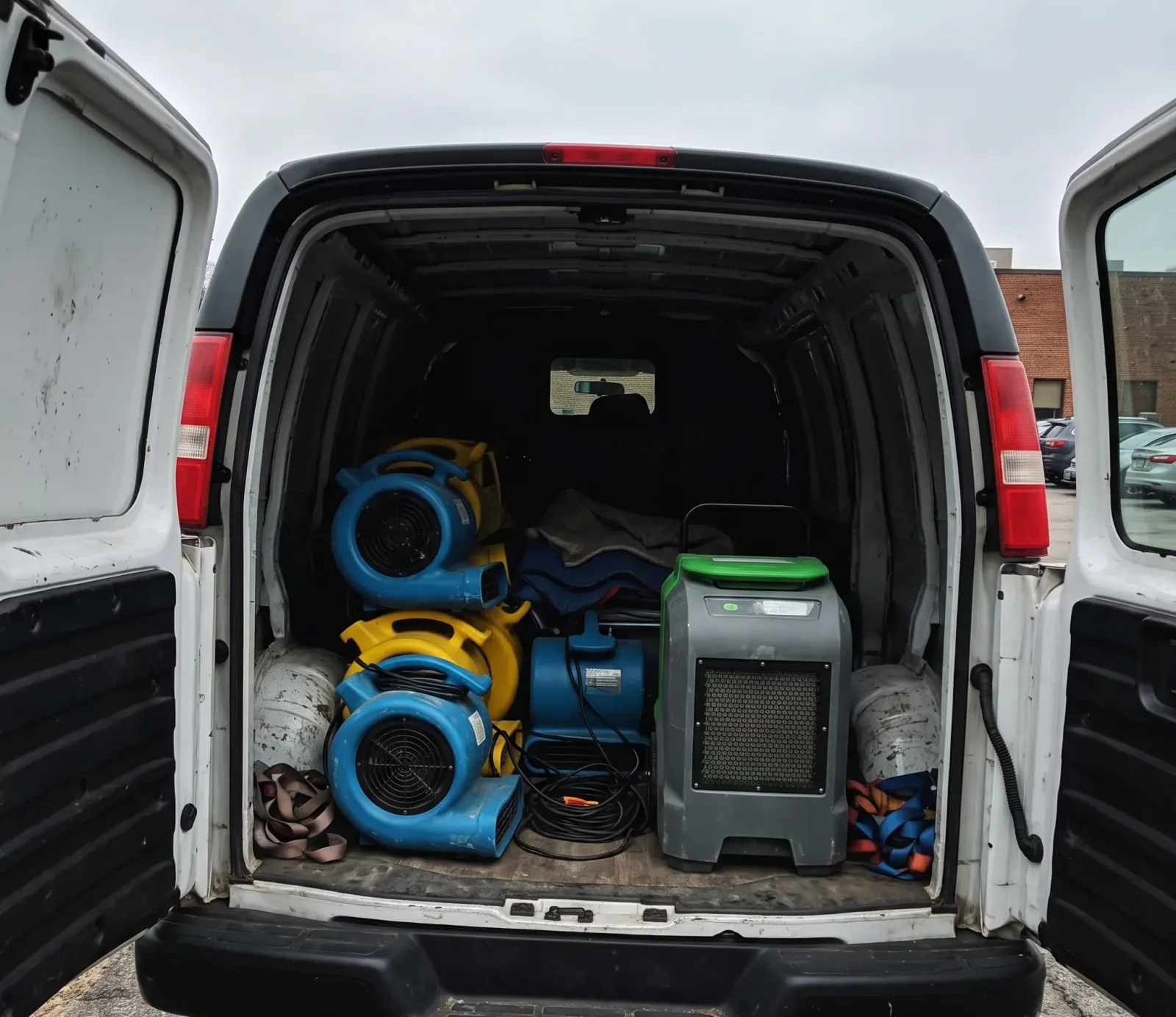
A cleanup plan can record which areas had pooled water removed. The terms can appear together in a cleanup plan because drying may follow extraction, but each describes a different stage of the work. Check the written work description for the task named. Extraction refers to collecting pooled water; drying refers to equipment used later for moisture left in materials. A machine’s casing alone may not show which task it is performing.
Tracing Water Through Affected Rooms
The visit begins with questions about the source, timing, and affected rooms. The assessor then looks at water depth, surface materials, room connections, and safe access. In Spokane Valley, details such as a wet doorway near U.S. Route 2 help the owner describe location; the assessor uses site conditions to define a workable removal area.
After the area is agreed, equipment is matched to the water and surface: pumps move deeper pooled water, while wet vacuums collect shallower water and residue near edges. The pros we connect you with work across the defined area, checking for visible pooling as they go. At Sullivan Park or elsewhere in Spokane Valley, local landmarks can help describe where a home is without determining its water exposure.
A straightforward extraction can be a one-visit task when water is confined and reachable. If the affected area is extensive or moisture remains in building materials, further assessment and drying may be needed. Moisture readings help identify which surfaces may need attention after visible water is removed.
HOW WATER REMOVAL AND MATERIAL DRYING SERVE DIFFERENT NEEDS
| Equipment Used |
Early Action |
|---|
| Water covering interior floor surfaces | Post-removal drying |
| Wet areas refill after the first pass | Pumps or wet vacuums |
| Pooled water in separate living spaces | Floodwater drawn out; moisture drying arranged |
INSURER CONTACTBefore agreeing to repair work, get the proposed scope in writing. If the visit includes separate repair work, ask how that work is classified. The Washington Department of Labor & Industries explains contractor registration requirements.
Clues That Materials Still Hold Moisture
If water remains pooled, it can spread under furnishings and across connected flooring, enlarging the area that must be addressed. In Spokane Valley, water from an active leak can also collect again after removal begins. The source needs separate attention, and affected materials may require further work beyond standing-water removal.
Request Emergency Water Removal
If the source is a shutoff you can reach from a dry, safe area, turn it off. Move small belongings only if you can do so without stepping through water. In Spokane Valley, leave inspection of wet electrical equipment and removal from unsafe areas to qualified help.
Checking Materials After Water Leaves
Water around an outlet, appliance, or cord can make a room unsafe even when the water looks clear. In Spokane Valley, do not step into a wet area to check a device or breaker. Keep household members away and report the location of wet electrical items when arranging the visit; qualified help should assess electrical safety before anyone enters an uncertain area.
Where Extraction Work Starts After Intrusion
Explain where standing water reached, its depth, entry constraints, and removal gear required; ask the pros we connect you with to document their estimate.No verified Spokane Valley price band is available; any guide should serve only as a reference for extracting water from the stated area. It excludes leak repair, contaminated-water cleanup, and later drying. For a home near Otis Orchards Library, ask the pros we connect you with to confirm visit charges and included work in a written estimate.Cost details and what can shift them are laid out in the pricing guide.