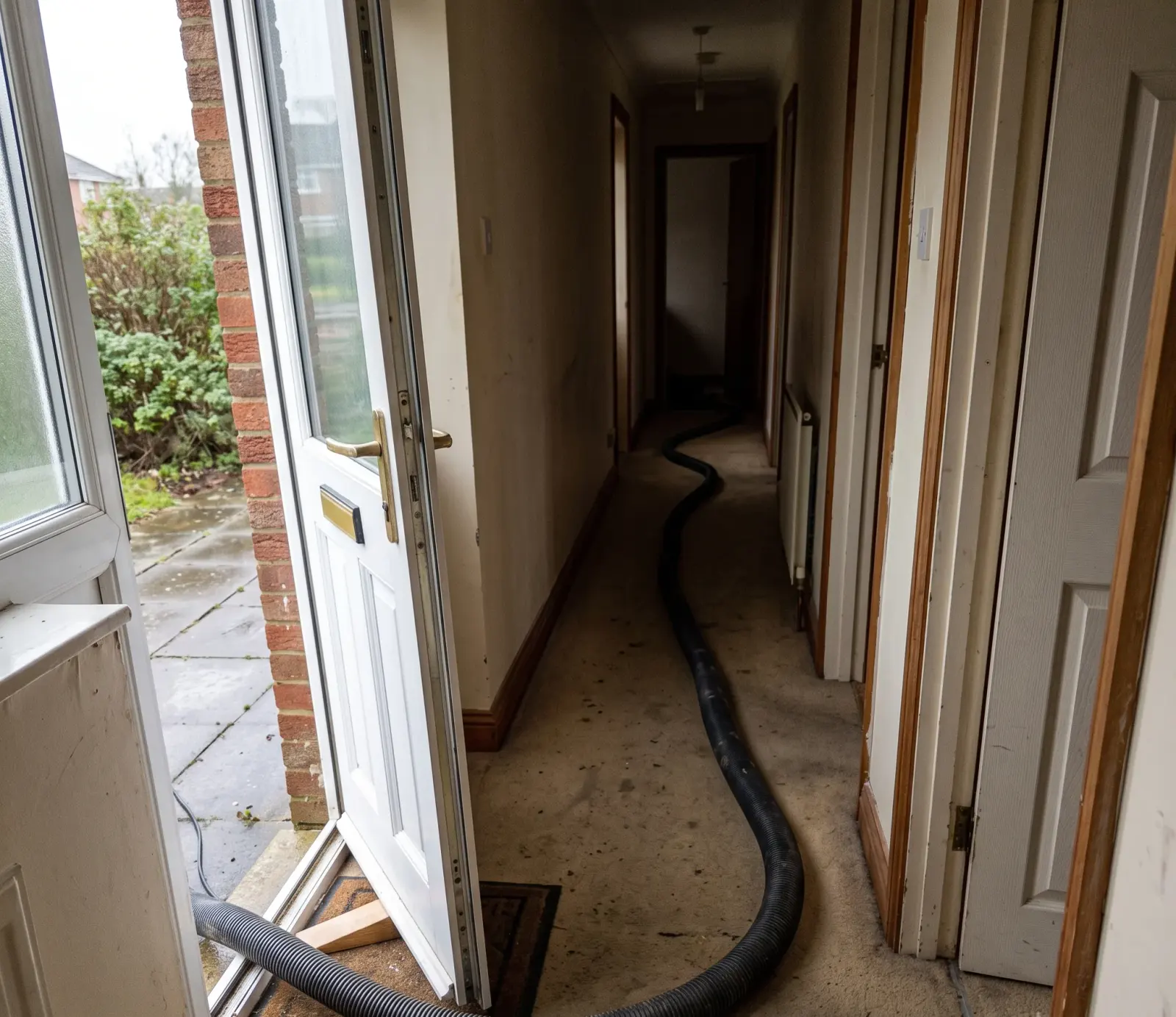
Emergency Response Time
How quickly can an extraction provider reach a Spokane Valley home? Learn how seasonal conditions, location, and current availability shape the estimate.
Read article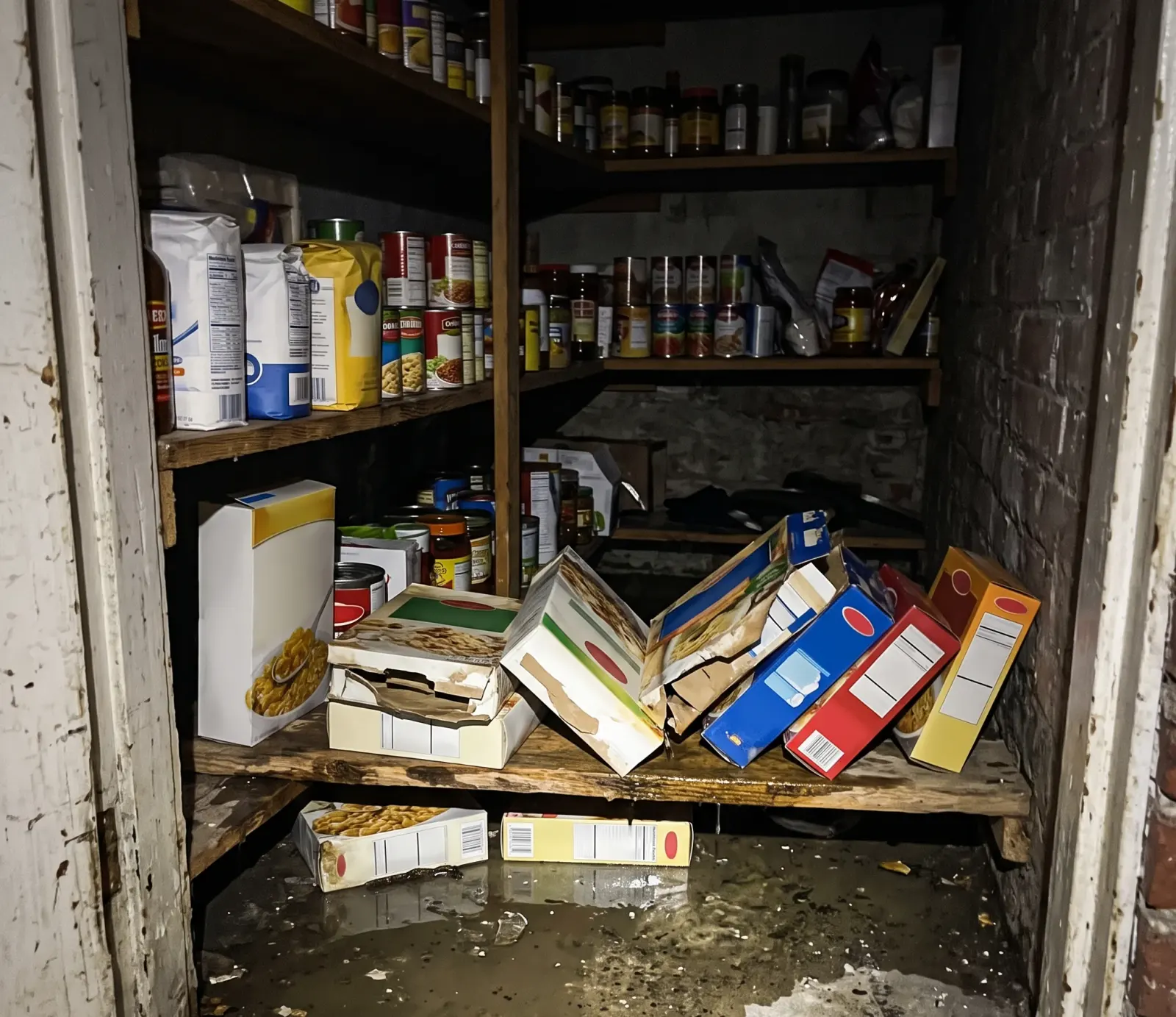
A safe first assessment sets the pump-out sequence for Spokane Valley basements
In Spokane Valley, a basement can take on water after a cold-season freeze, while homes near the Spokane River face their own local setting. The river corridor does not establish flood exposure at any one address, so the visible water and its likely source matter more than a map. A homeowner may see a shallow sheet near the stairs or a deeper pool around stored belongings. Water can wick into boxes and fabrics before the full extent is easy to see.
The pros we connect you with begin by checking whether the basement can be entered safely, then gauge the water, access route, and likely source. In Spokane Valley, a narrow stairwell or a long carry from the entry can affect how equipment reaches the low areas and how long removal takes. Depth, spread, and continued inflow also shape the work. Once standing water is out, moisture assessment and drying can be arranged as follow-up steps.
In Spokane Valley, cold-season freezing is part of the setting, but it does not establish a loss at any home; Basement Water Extraction addresses water after intrusion occurs.
For a residence, residential emergency water extraction outlines the household service; owners responsible for shops, offices, or rental buildings can compare the commercial scope at commercial emergency water extraction.
A waterline across the bottom of boxes or furniture can show that the pool extends beyond the open floor. In Spokane Valley, tell the assessor which rooms and storage areas are affected, even when belongings hide the water's edge. From a safe position, note the deepest visible point and whether the level appears to be rising. Those observations help describe the area to be assessed without requiring a homeowner to wade in or move heavy items.
A basement light that flickers, a wet outlet, or an appliance standing in water is a reason to stay clear. A musty odor or discoloration along a wall can point to moisture beyond the visible pool. In Spokane Valley, keep other household members away and seek qualified guidance before anyone enters; do not touch switches or equipment in the affected area. The pros we connect you with can consider entry conditions before planning removal.
If the waterline climbs again after it was lowered, water may still be entering or moving from another part of the basement. A homeowner can watch the level from a safe location and report whether it changes, without trying another household vacuum. In Spokane Valley, a known leak or a sound of running water is useful context for the assessment. Removing the pool does not repair the source, which needs separate attention.
From a dry location, record the visible waterline, affected rooms, and any suspected source so the assessment can be planned without entering the basement.
The provider checks electrical concerns and the route down the stairs; if entry may be unsafe, qualified guidance is needed before work proceeds.
After confirming access, the provider works through reachable pooled areas and moves the standing water out, noting any continued inflow that affects progress.
With the pool removed, arrange moisture assessment and any needed drying separately; visible clearance alone does not show what remains in materials.
Basement stairs can become the only route for carrying equipment and moving collected water, so clutter at the landing can slow access even when the pool itself is modest. In Spokane Valley, a homeowner who can safely clear items outside the wet area may help make the route usable; no one should enter water to do so. The assessor can then judge which parts of the floor are reachable for removal.
Spokane Valley includes homes around Greenacres Park and Avista Stadium, but a familiar landmark cannot establish conditions at an individual property. Give the service address and describe the basement entrance, visible water depth, and any suspected source when arranging an assessment. Confirm who will document conditions and explain any proposed drying steps before work proceeds.
Before work begins, ask the pros we connect you with to put the planned water removal areas, equipment approach, and any limits in writing. In Spokane Valley, access from the driveway to a basement stair can affect setup and time on site, so describe tight turns or blocked paths in advance. Keep the estimate and work records for your insurer. Photographs of affected surfaces can help preserve a clear record of conditions before removal.
Near Highway 290, the basement water extraction estimate for Spokane Valley is preliminary; the pros we connect you with can confirm whether a site visit costs extra and write down extraction’s limits.
| Wet Rooms and Surfaces | Pump or Vacuum Work | Materials Needing Drying |
|---|---|---|
| Narrow footprint | Visible water gathered from the included part of the property | an estimated $700–$1,400 |
| Expanded footprint | Reachable water gathered from the room or section listed | an estimated $805–$1,820 |
| Multiple zones | Water extraction limited to the affected floor zone named | an estimated $700–$1,400 |
| Full structure | Reachable pooling removal; damp-material drying assessed separately | an estimated $1,680–$5,600 |
Before work starts, ask for a written breakdown of water removal and any proposed follow-up. Ask whether the source of the water has been stopped before cleanup begins. The full pricing guide describes factors that may affect the estimate.
The pros we connect you with first assess safe entry, water depth, and access. For a broad or deep pool, a pump can move water out; a wet vacuum may work for smaller accessible areas. They remove standing water from the affected basement, then the owner can arrange moisture assessment and drying if needed. In Spokane Valley, report any wet electrical equipment before anyone approaches the stairs.
Only consider handling a small amount if it is clearly shallow, the route is dry, and there is no electrical or structural concern. Do not step into standing water when outlets, wiring, or appliances may be affected. In Spokane Valley, note what can be seen from a safe location and arrange an assessment before entering. A household vacuum is not a safe choice when water depth or contamination is uncertain.
The time and cost depend on how much water is present, how many basement areas are affected, whether water continues to enter, and how easily equipment can reach the pool. A deep space with a constrained stair route can take longer to work through than an open area. In Spokane Valley, sharing the visible depth and access details before arrival helps the provider plan the assessment.
Access depends on a safe route from the outside entry to the water. Tell the provider if basement stairs are steep, narrow, or partly blocked, and identify another entrance if one exists. In Spokane Valley, equipment placement may also depend on how close it can get to the basement door. Do not clear a path by walking through water or moving items near electrical hazards.
A pump is suited to moving a larger volume of pooled water, while a wet vacuum can collect water in a smaller, reachable area. The choice depends on depth, floor layout, and the route for equipment. The pros we connect you with can assess those conditions before starting. After removal, a separate moisture assessment can identify whether materials need drying.
From a dry location, give the street address, the deepest water level you can see, which rooms appear affected, and any source you suspect. Mention a rising level, electrical concerns, or a basement entrance that is hard to reach. In Spokane Valley, photos taken from a safe spot and written work records may help explain the removal to an insurer. Do not enter to gather details.
A preliminary estimate of $700–$1,400 applies to the outlined work. The provider verifies it after considering pooled-water volume, materials involved, access conditions, and scope.
Start by separating pooled water from the moisture questions that may remain indoors.
How quickly can an extraction provider reach a Spokane Valley home? Learn how seasonal conditions, location, and current availability shape the estimate.
Read article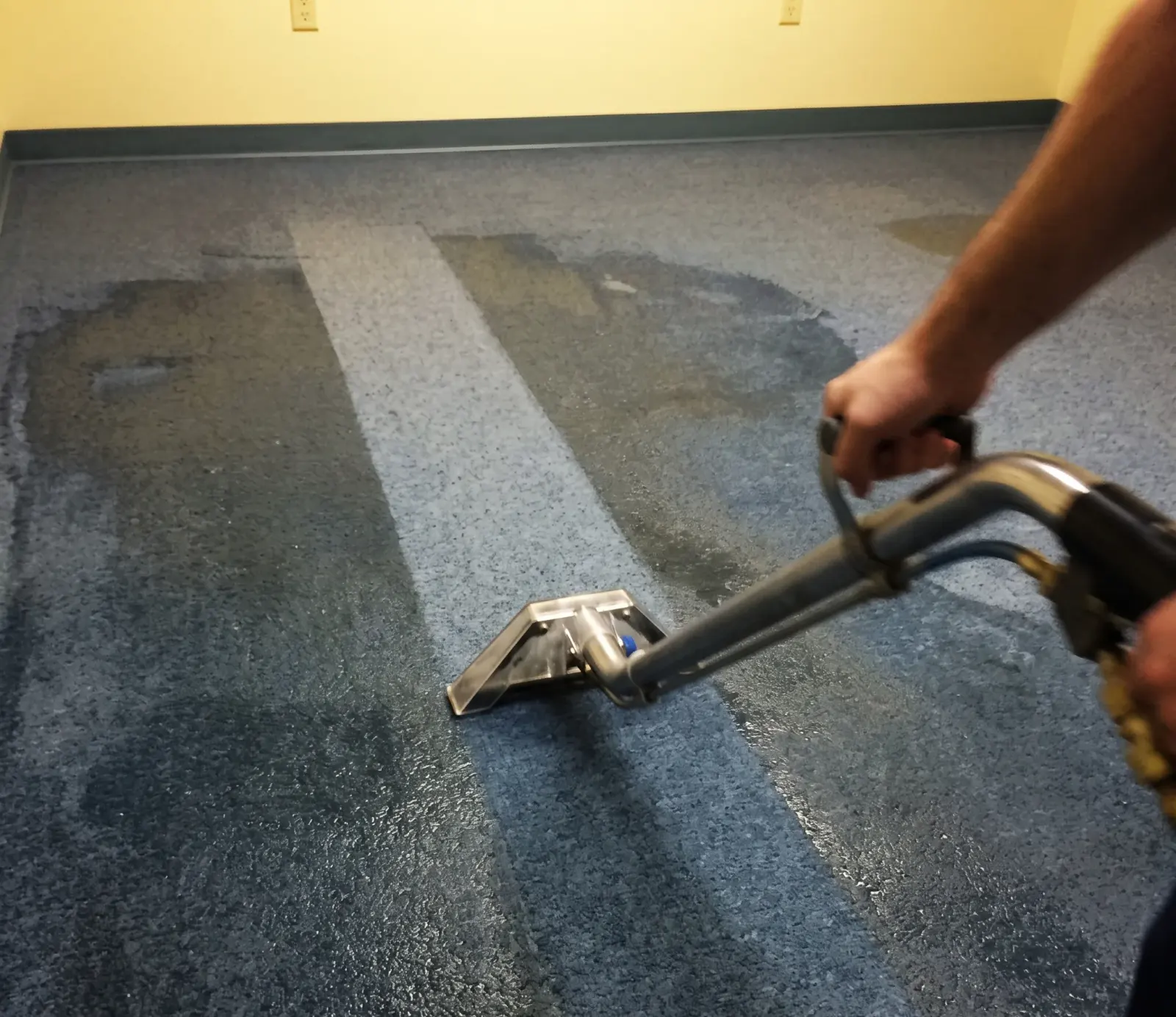
How long does emergency water extraction take in Spokane Valley? See what changes the estimate and what details to share with local pros.
Read article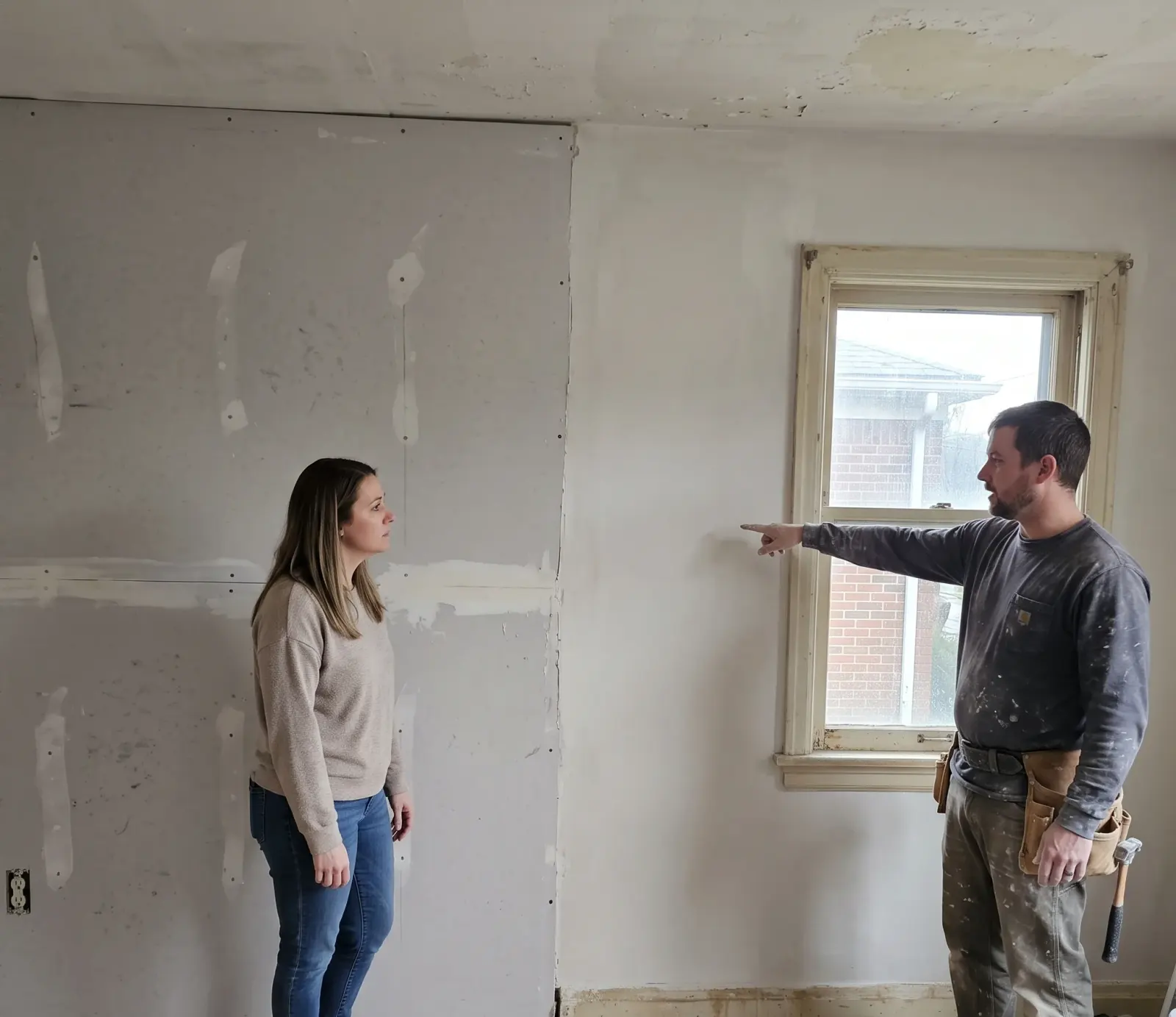
Learn when walking through standing water in a Spokane Valley property is unsafe, what floor and electrical clues to watch for, and how to keep others clear.
Read articleService coverage can vary by address, even within the same broad area. A homeowner near U.S. Route 2 in Spokane Valley can share the nearest cross street, the room involved, and whether water has reached flooring or stored belongings, then ask if the request falls within the provider’s service area. Confirm possible timing and any visit fee before scheduling. The written scope should identify the water removal work and note any separate assessment or drying that may be recommended.
Call (509) 800-4628