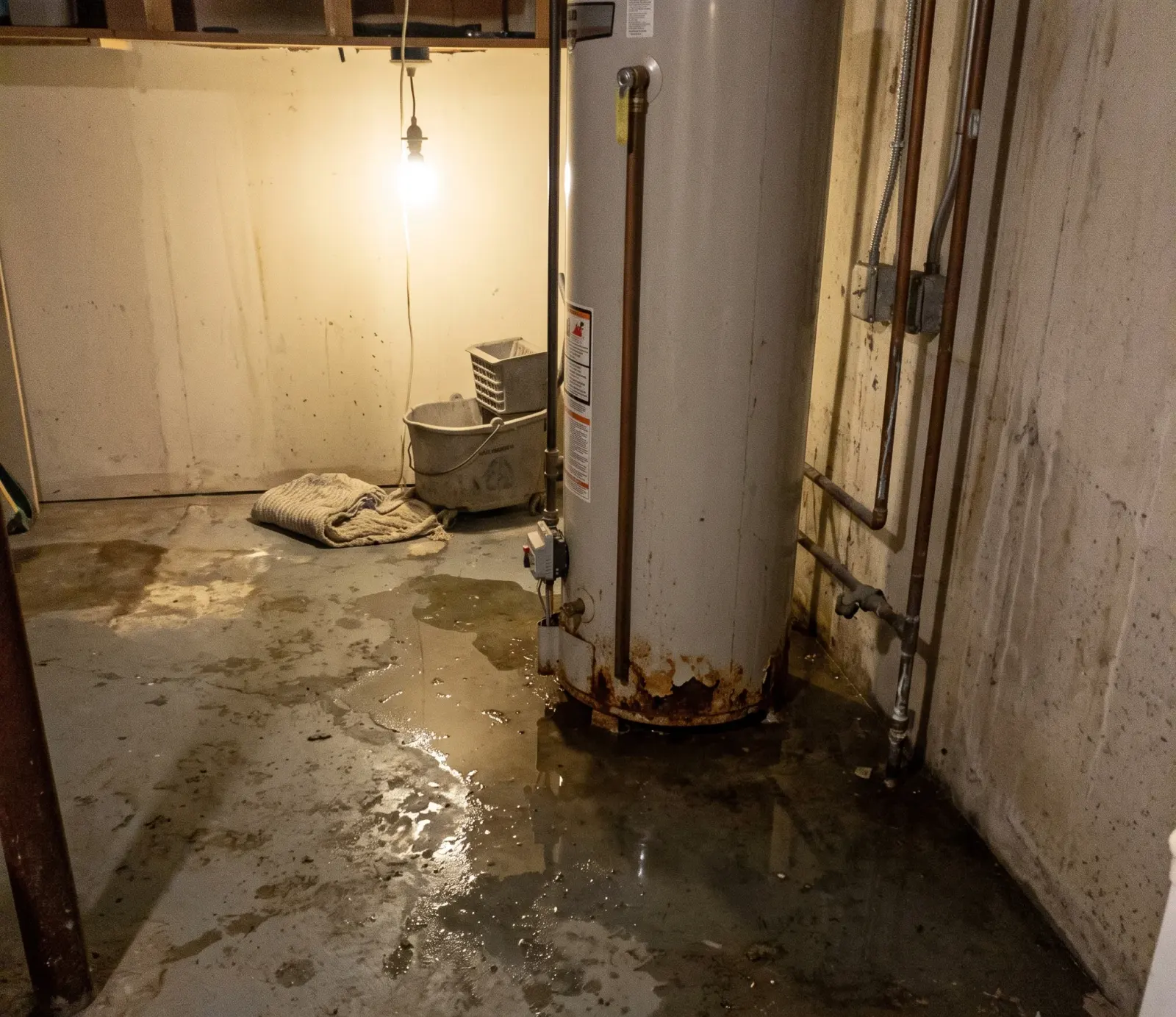
What to Address Before Drying Begins
Spokane Valley includes residential neighborhoods such as Greenacres, where the room layout determines how far a heater spill can travel indoors. A utility area beside storage or a doorway may leave wet materials outside the obvious puddle, so describing the interior path helps shape the extraction scope.
Cold-season freezing is part of Spokane Valley's climate, while the Spokane River corridor is a separate local feature. Neither tells an owner how far water traveled inside a particular home. The useful local detail is the actual floor plan and which nearby surfaces or belongings show dampness.
Before making plans for emergency extraction in Spokane Valley and Spokane, ask whether the specific property is within the service area. The pros we connect you with can use its street location to check, even when a postal label leaves the location unclear.
Damp Materials Need Follow-Up
- WATER PATH
- Extraction equipment is chosen for the standing water, floor surface, and available access around the heater.
- SAFE ENTRY
- Water at a doorway or floor seam can extend the affected area beyond the utility space.
- FLOOR PICKUP
- Wet rugs, boxes, and fabric can conceal damp floor beneath them and may need separate attention.
- NEARBY MATERIALS
- A softened baseboard can point to water absorbed at the wall edge, even after the surface puddle is gone.
- CALL DETAILS
- A clear water path helps identify which nearby surfaces may need moisture checks.
- Claim Records
- Spokane Valley has cold-season freezing potential. Weather does not show where water traveled indoors; after a heater leak, the floor layout and visible damp areas guide removal and any further checks.
- MATERIALS
- an estimated $700–$1,400
Describing Which Rooms Are Affected
Basement water extraction describes removing water from a lower-level room or floor. A heater leak may call for that work, but the term does not identify the source or cover repair to the appliance. A stopped leak and a cleared floor are different observations. The owner can look from a safe position for fresh water at the heater base or a continuing trail, but damp flooring may remain after flow has stopped. Report both what appears active and what looks like leftover moisture.
Where Water Removal Work Ends
The provider reviews the reported spill, access to the heater, and visible wet areas, then confirms the work zone can be approached safely. The owner can point out the water's path, damp trim, and wet belongings. In Spokane Valley, a clear description helps define the area for removal without guessing from the tank's location alone.
After assessing the accessible floor, the provider uses suitable extraction equipment to collect standing water. The work may then include checking nearby floor edges, wall bases, and stored items for moisture. Any drying equipment or source repair is a separate part of the scope, so the owner should confirm what the written work plan covers.
A straightforward extraction can be a one-visit task when water is confined and reachable. If the affected area is extensive or moisture remains in building materials, further assessment and drying may be needed. Moisture readings help identify which surfaces may need attention after visible water is removed.
VISIBLE WATER REMOVAL COMPARED WITH FOLLOWING MOISTURE CONTROL
| Affected Area |
Opening Measure |
|---|
| Water spread across rooms or hallways | Pump or wet-vac work |
| New water gathers where floors were cleared | Water removal only |
| Water crossing room boundaries | Pooled water extracted; materials left to dry |
Request Emergency Water Removal
If the route is dry and safe, record the heater's location, the visible water path, and any wet nearby items. Keep children and pets away from the affected area. Avoid moving wet belongings until you can do so without entering the affected area. Leave extraction and any uncertain utility work to qualified help.
When Water Makes a Room Unsafe
Standing water can make a heater area dangerous if it reaches powered equipment, outlets, or wiring. Do not step into it to inspect the tank or unplug anything. Keep people clear and seek qualified help if the water's reach or electrical safety is uncertain. In Spokane Valley, describe what can be seen from a dry spot before anyone approaches.
Where Extraction Work Starts After Intrusion
Explain where standing water reached, its depth, entry constraints, and removal gear required; ask the pros we connect you with to document their estimate.No verified Spokane Valley price band is available; any guide should serve only as a reference for extracting water from the stated area. It excludes leak repair, contaminated-water cleanup, and later drying. For a home near Otis Orchards Library, ask the pros we connect you with to confirm visit charges and included work in a written estimate.Use pricing guide to compare complete cost ranges, then visit Basement Water Extraction for urgent removal of pooled water.