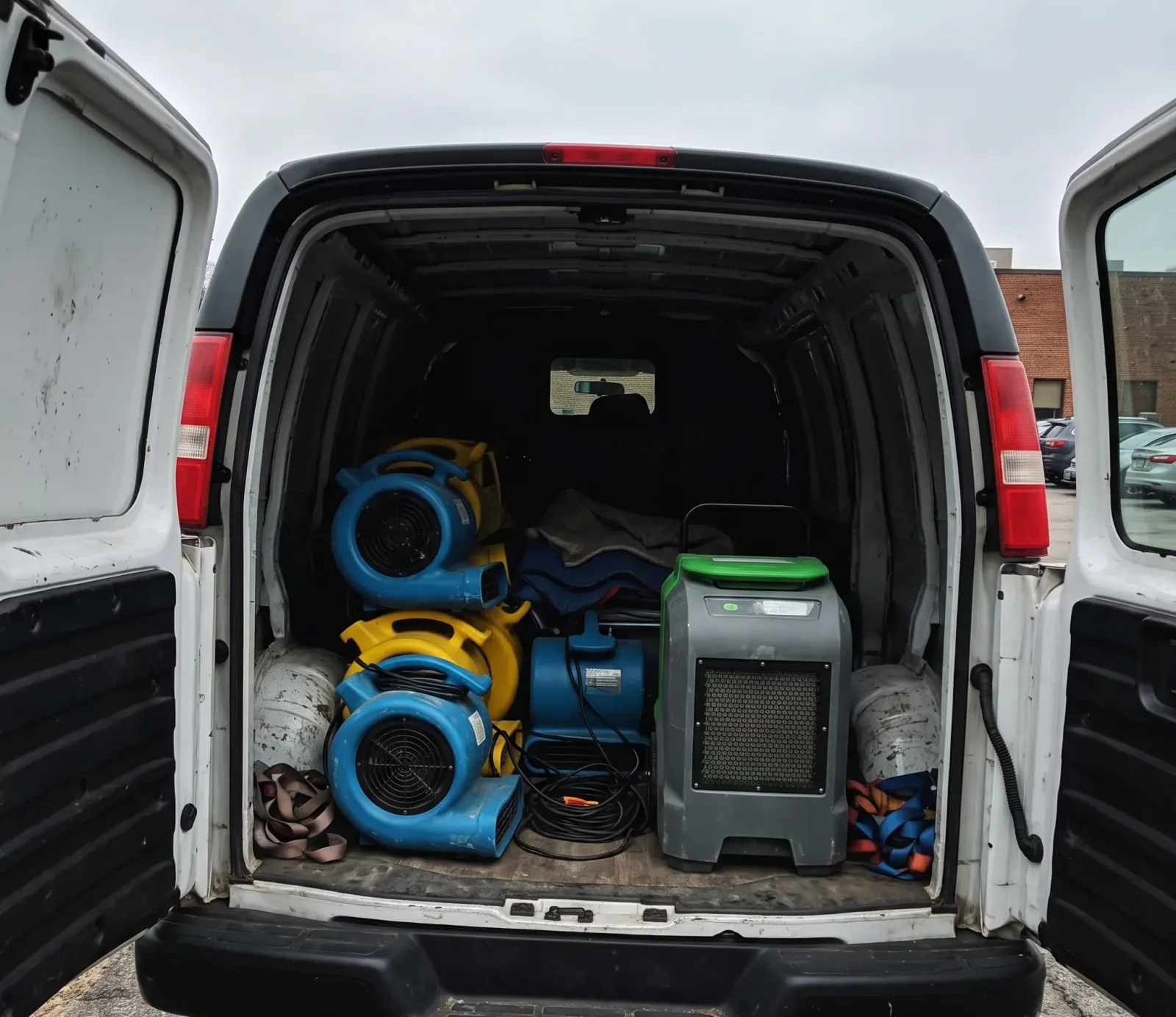
What to Address Before Drying Begins
In Spokane Valley, cold-season freezes make a leak discovered after a cold snap a reason to check whether water stayed on a hard surface or reached flooring. A stain that keeps spreading after temperatures rise can signal that a pipe is still leaking behind the visible surface.
Cold-season freezing is a local consideration for Spokane Valley homes, so an owner may face water indoors after winter conditions. The source and spread still need to be checked at the property; season or neighborhood cannot determine the extraction scope by itself.
Service-area questions may involve properties in Spokane Valley or elsewhere in Spokane. A regional description alone cannot confirm whether a particular home is covered, so provide its street address when asking the pros we connect you with about availability.
Check the Area Before Entry
- Contained Spill
- A bucket or absorbent towels can collect small amounts of accessible water.
- Material Contact
- Carpet, trim, or wall discoloration can indicate water has reached materials a household vacuum cannot fully assess.
- Vacuum Capacity
- Pumps and wet vacuums collect standing water; moisture checks help determine whether materials need further drying.
- Handling Safety
- Avoid direct contact with water when its contents are uncertain.
- Local Guidance
- If water moves beyond the visible spill or reaches carpet backing or drywall, contact an independent local pro for guidance; Mirabeau Point Park is a local reference, not a measure of property exposure.
- Claim Records
- Spokane Valley’s cold season brings freezing potential, which can matter when water appears indoors after winter weather. Seasonal conditions do not show how far water traveled; check the actual affected area and material condition before choosing household or professional removal.
- RECORDS
- an estimated $250–$1,300
Distinguishing Water Removal from Repairs
Shop vac water removal uses a household wet vacuum to collect water the hose can reach. It can look like professional extraction because both remove pooled water, but the household tool does not by itself assess moisture beyond the collected surface. Compare the task and equipment in front of the owner: a portable canister wet vacuum collects reachable water, while professional extraction may use a pump or wet vacuum sized for the scoped area. Neither tool alone measures moisture left in building materials.
Electrical Conditions Around Wet Areas
A professional starts by discussing the water source and checking the visible boundary of the affected area, while noting any conditions that make access unsafe. In Spokane Valley, the owner can point out where water appeared and where it later showed up. The provider then scopes removal for the accessible pooled water.
Removing pooled water can help keep it from spreading into nearby materials. After removal, moisture assessment can help locate damp materials that still need attention. The pros we connect you with can explain whether drying equipment is included, and document the removal work in writing.
If pooled water is limited to an open area, removal may be completed in one visit. Water beneath flooring or across multiple rooms can call for later moisture checks and drying equipment. Ask the pros we connect you with to explain what would prompt another visit and what that work covers.
WHICH WORK ADDRESSES VISIBLE WATER AND WHICH ADDRESSES DAMP MATERIALS
| Affected Area |
Opening Measure |
|---|
| Indoor water accumulation after a leak | Water-work records |
| Pooled water returns after pump-out | Drying may follow |
| Wet floors beyond a single room | Standing water pumped; drying gear positioned |
REPAIR AUTHORIZATIONWashington Department of Health guidance says no specific certification is required for water damage or mold restoration. Ask the provider to describe the work included and put the removal scope on the estimate or invoice. If the job expands into construction or repair, confirm applicable contractor registration separately.
Deciding What The Property Needs Next
When household tools collect only surface water, moisture may remain under flooring or in nearby materials. Continued dampness can broaden the affected area and lead to additional drying or material work. In Spokane Valley, ask for an assessment when carpet, trim, or walls show signs beyond a simple hard-floor spill.
Ask How Damp Materials Are Checked
If the leak is ongoing, stop its source first when it is safe to do so. Keep children and pets out, and stop if water spreads, reaches carpet or trim, or enters a questionable area. Do not handle powered equipment around wet electrical conditions; contact a local pro for guidance.
What Follows the Initial Water Removal
Water with a sewage-like smell or visible chemical residue should not be treated as an ordinary household spill. Contact a qualified provider and describe what is known before anyone handles it; contaminated-water cleanup may need a separate scope. Keep household members clear of the affected area while the owner arranges guidance.
Where Extraction Work Starts After Intrusion
Explain where standing water reached, its depth, entry constraints, and removal gear required; ask the pros we connect you with to document their estimate.No verified Spokane Valley price band is available; any guide should serve only as a reference for extracting water from the stated area. It excludes leak repair, contaminated-water cleanup, and later drying. For a home near Otis Orchards Library, ask the pros we connect you with to confirm visit charges and included work in a written estimate.Cost details and what can shift them are laid out in the pricing guide.